Problem
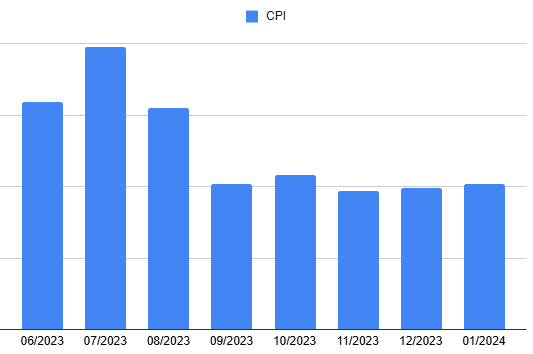
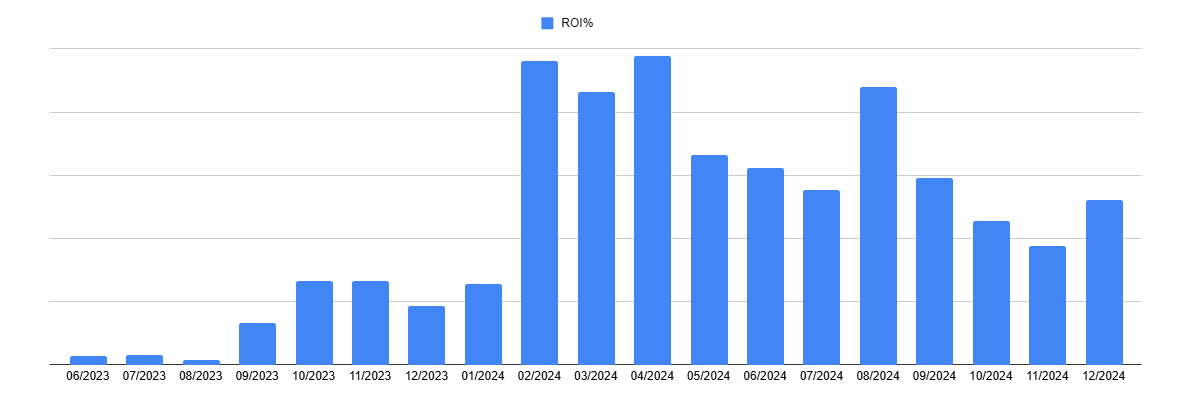
Late 2024, Hotel Hideaway paid user acquisition KPIs started to trend downwards — and none of the new geo-tests, creative tests, ASO tests, bid changes or conversion-event experiments seemed to help in a meaningful way.
Due to none of the previous tests improving performance, I determined the underperformance would either be down to creative quality, platform fatigue, or product. The easiest way for me to have an impact was to experiment using alternative ad platforms, to see if the platform was the issue.
This was not easy to transition to, because almost all of the high-performing creatives were through TikTok’s Creative Challenge system, and thus exclusive to TikTok.
Solution
The first step was determining which alternate channels to try, and platform configuration. Google Ads already had telemetry configured, so out of convenience it made most sense to try that one first.
Where TikTok ran smoothly on TTCC portrait creatives (and I never ran out of quality videos), Google Ads heavily incentivised using multiple video ad resolutions (9:16, 16:9, 1:1) and images to maximise ad-group strength and delivery.
I had access to old Hotel Hideaway ad inventory from before my time, and I had previously determined the ad quality to be very poor by using it on TikTok and comparing it against TTCC creatives. Since the old inventory included ads we had the rights to use on any platform, and some videos were landscape, they would suffice for the initial test.
The initial test was a failure. The CPI on the platform was bad and the returns non-existent. I figured the creatives were the problem, considering they had performed much worse than the TTCC videos ever did. The overall monthly KPIs were still spiralling down and I was under pressure to come up with a solution.
I wanted to know if high-quality UGC ads on Google would be my saving grace. The process of getting these videos was unknown to me outside the TTCC funnel. It would take weeks. It would cost a lot. It would require cross-team communication with finance, legal and marketing, and it wasn’t even guaranteed to work — and I was expected to solve the issue as soon as possible.
After careful consideration, I took a rogue marketing approach.
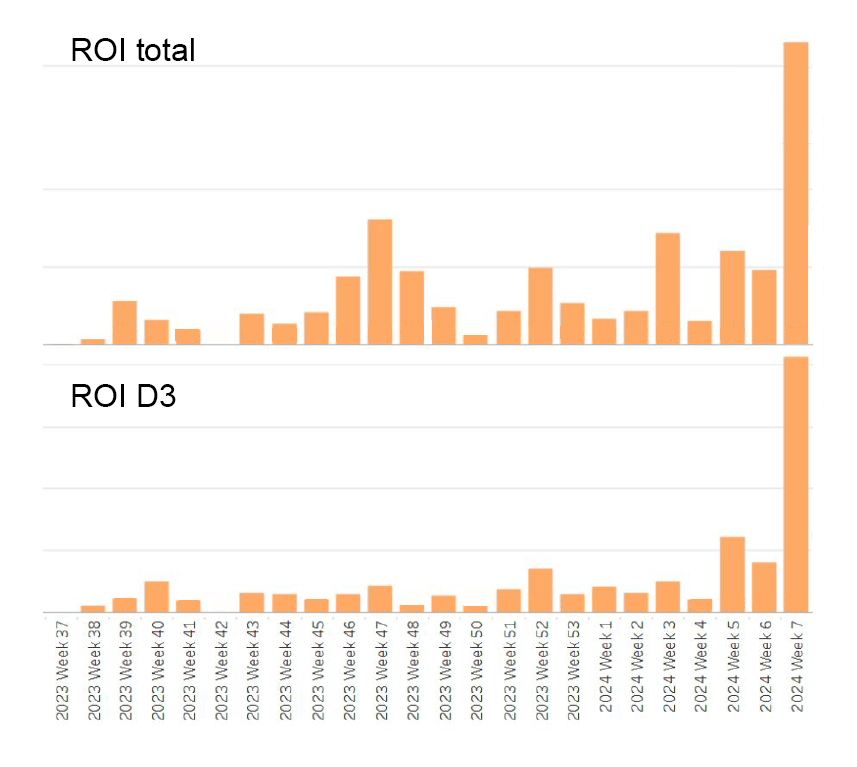
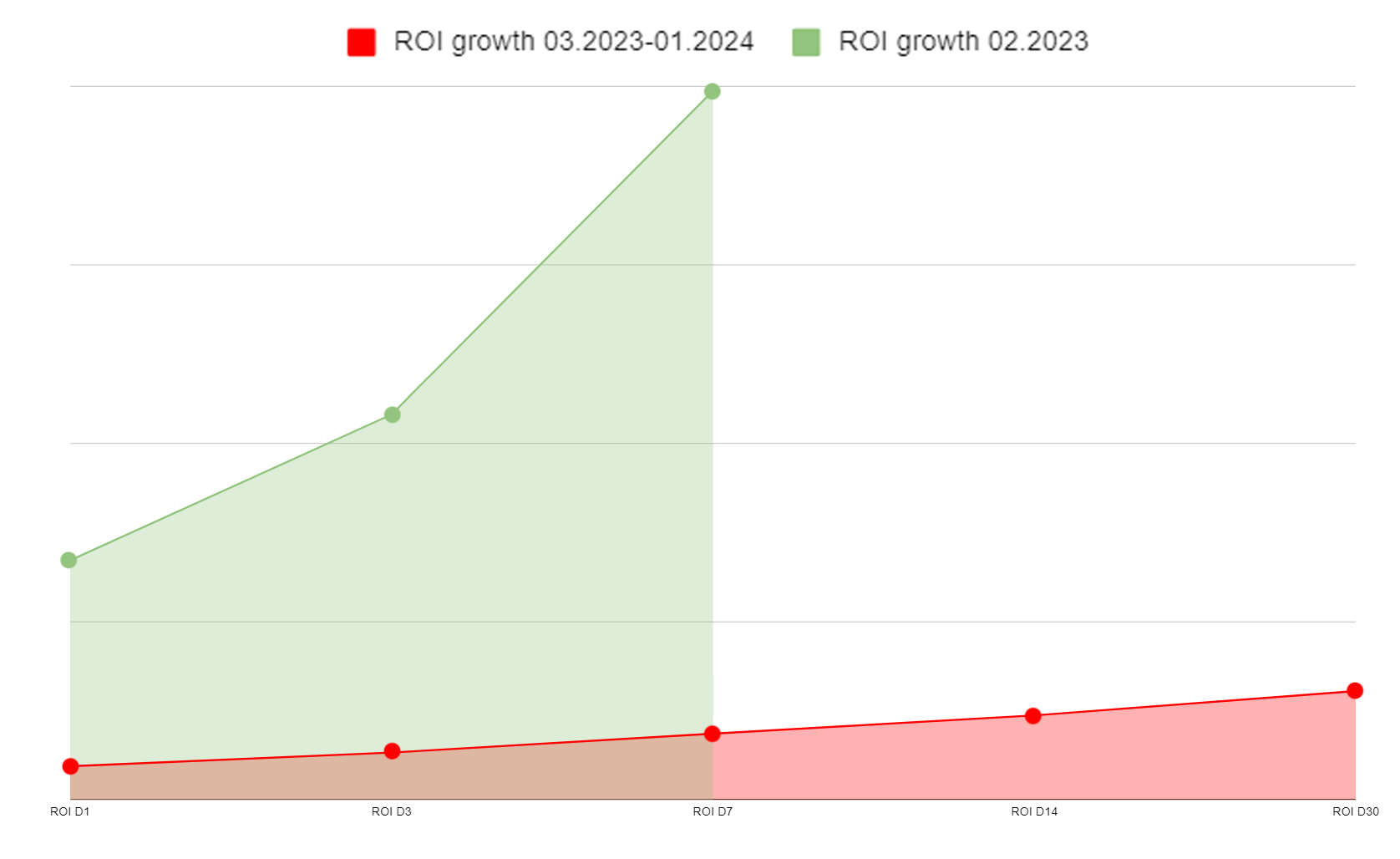
I downloaded a few of the highest-performing TikTok Creative Challenge videos, uploaded them to YouTube as unlisted videos, and ran a 1-day minimum-budget Google Ads campaign with them. The results were like nothing I had ever seen before. 50% Day 1 ROI. 80% on day 2.
It would be unheard-of to reach 100% ROI even within the first 30 days of a campaign maturing, let alone less than a week. The sample size was small, but the numbers were big enough to justify pursuing this further. Do ends justify means? I had struck gold. Google Ads UGC really was the fix we needed. Now I needed to scale it.
Finding the creators
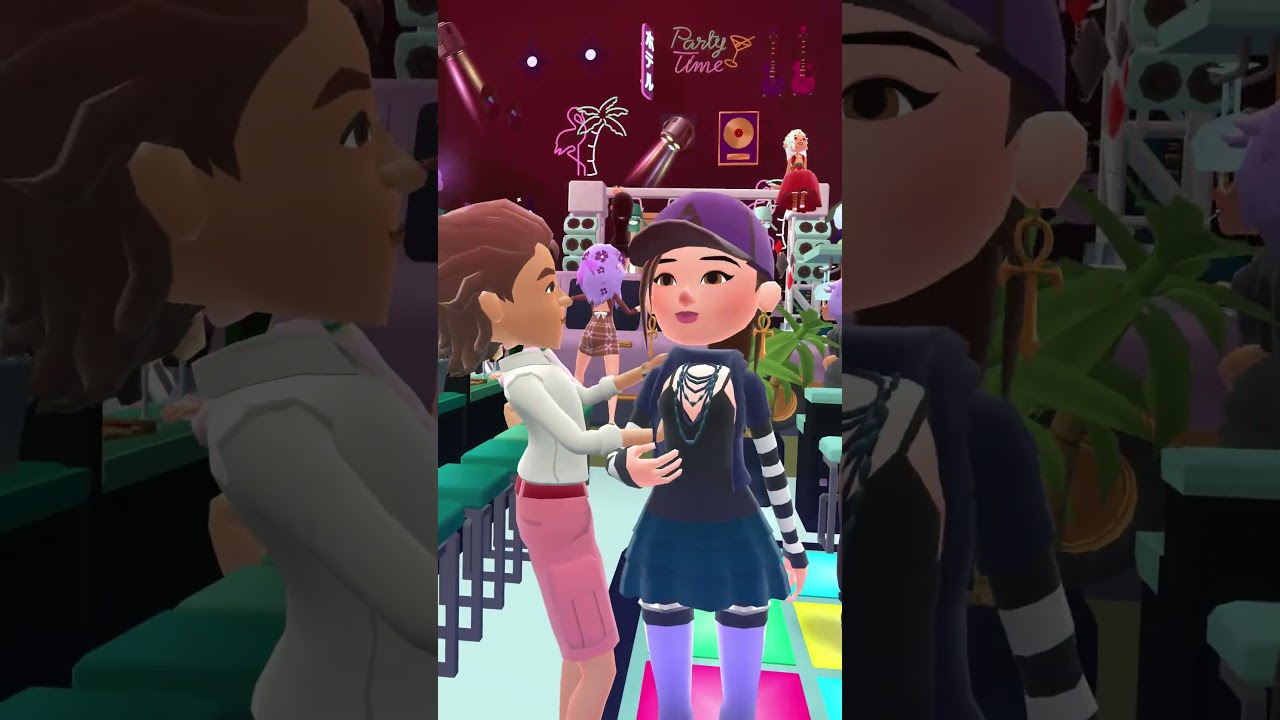
I needed high-quality ads. A handful of TTCC creators really understood Hotel Hideaway and consistently produced super high-performing videos for us, so it made sense to try to contact them.
TikTok does not reveal the name of the creator to the advertiser. It’s within TikTok’s best interest to keep me — the advertiser — on their platform. But it was no longer mine.
I sharpened my magnifying glass and started a fierce digital-detective research to find out who the creators were. AI + search terms: nothing, just dead ends. Google reverse image search on the creator’s face in one of the videos? I found one of my top 2 creators — a girl COD streamer.
I was still missing a Texan couple that had a giant handheld TV. I wanted these 2 creators specifically, as they had by far the best track record of consistently creating high-performing ads.
I could not find their identity for the longest time — until TikTok released a new creator-marketplace feature: TikTok One. TikTok One was essentially TikTok Creative Challenge rebranded, with a couple of UI changes. One of the changes was that each video had the profile picture of the creator next to it, along with their name blurred out like this: U*********s.
Hallelujah. Right-click image, open in a new tab, search Google for this picture — a match. My second creator I had been chasing was a Minecraft YouTuber. I had identified my high-value creators.
Negotiating rights
I found the creators’ emails/Discord servers through the social media links and sent out inquiries, asking if they would be interested in video commissions. Some weeks later I had received 12 portrait- and 8 landscape-videos.
I collaborated with Azerion’s legal department in creating a legal document where the creator delivers us new landscape videos, grants full non-TikTok usage rights to select previous winning portrait videos, permits us to edit said videos, and assigns perpetual rights to all commercial use.
‘Permits to edit’ could be considered the small print here. What this meant in essence was that I took the deliverables and created 1:1 resolution variants to match Google Ads’ recommendations. Having videos of all desired resolutions helped improve campaign strength. In addition I was able to create more variants by changing the music and by adding text elements to the hook.
Having negotiated permit to edit allowed us to get much more use out of the ad videos, improved testing, and helped greatly in fighting against ad fatigue.
Outcome
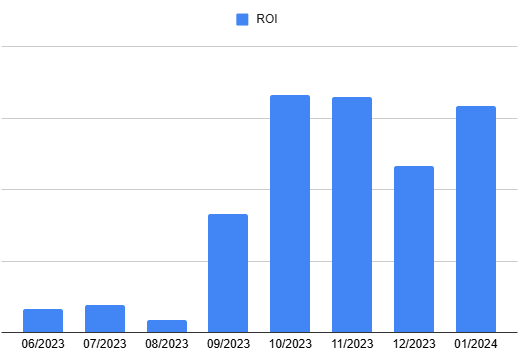
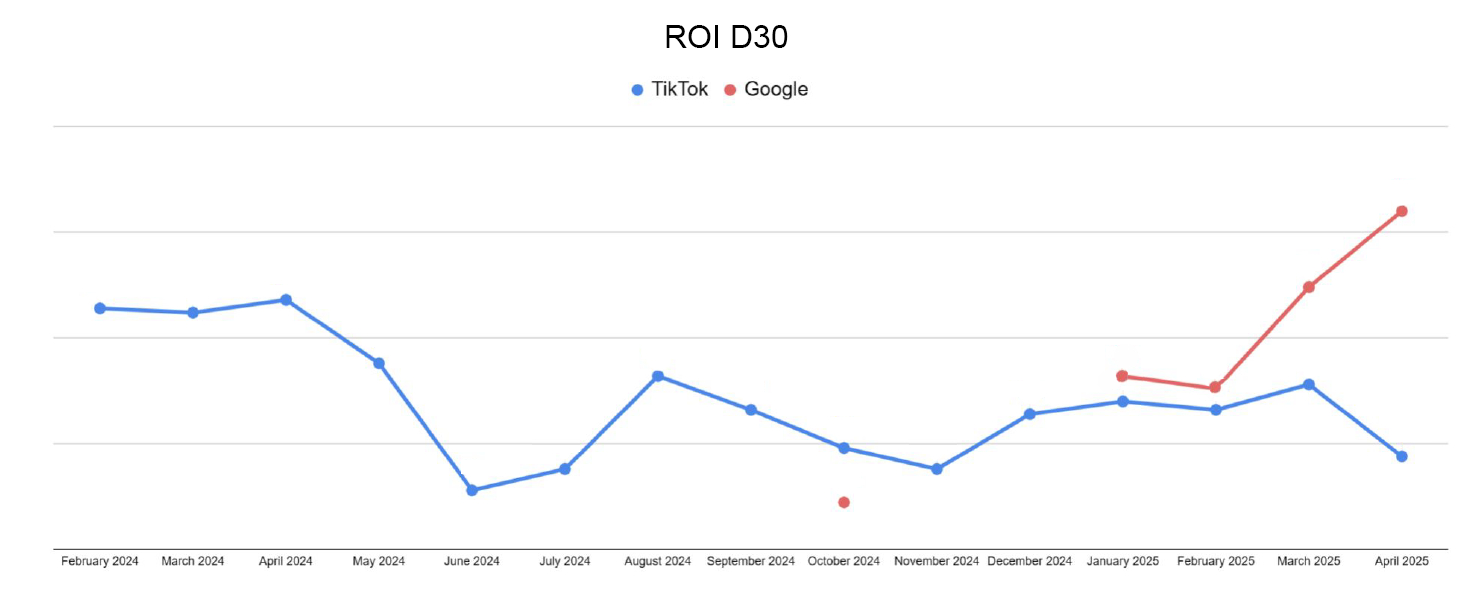
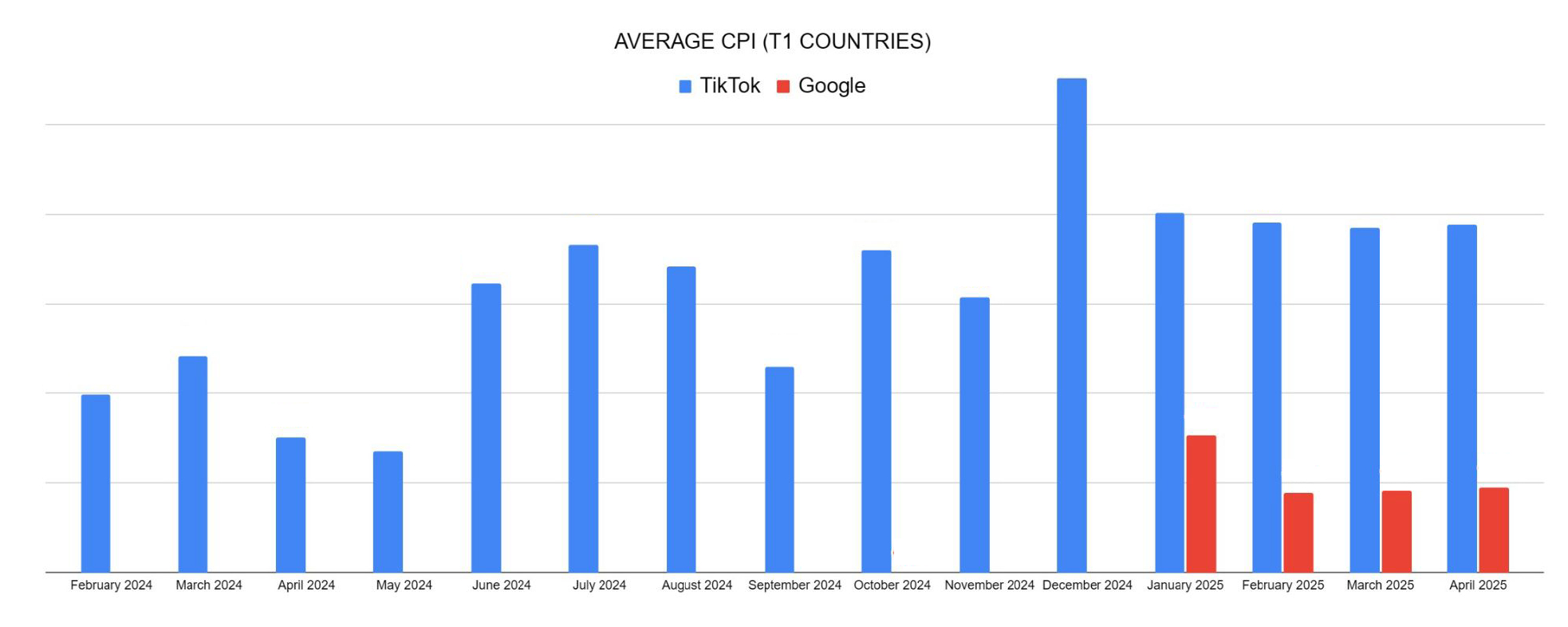
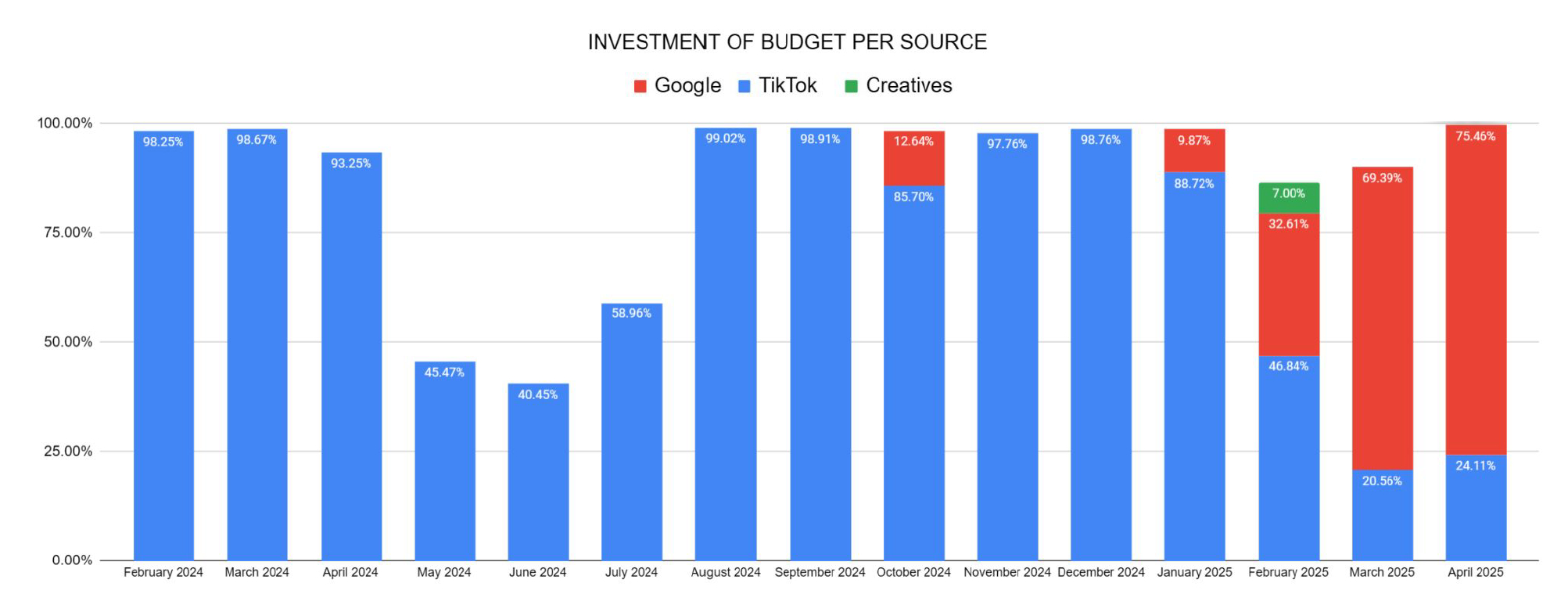
Transitioning Hotel Hideaway’s UA efforts to Google Ads elevated the D30 ROAS to an all-time high, while at the same time bringing T1-country user CPI to an all-time low — improving MAU, hitting two bull’s eyes with a single dart.
The goal was reached with the help of commissioned UGC ad creatives. Having negotiated edit permits improved the longevity of the campaign through added ad variants to fight ad fatigue.